
Types of Lawn
The species that can be used for the creation of lawns are grouped into microthermal and macrothermal, of which only about fifteen are widely used.
Microthermal
Microthermal plants are represented by the turf species of Graminaceae in which the phases of greatest active growth occur during the spring and autumn periods.
Generally speaking, they have a range of optimal temperatures for growth between 15 and 25°C.
Compared to macrothermal species, they are characterized by a more developed root system, greater resistance to cold, but at the same time a lower tolerance to heat, drought and salinity.
They can be grown as single species or in mixtures. The most common species in Italy are Festuca arundinacea, Lolium perenne, Poa pratensis, and Festuca rubra.
Festuca Arundinacea
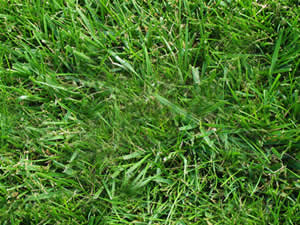
Growth: CUSHY
Care: MEDIUM LOW
Cutting Height: 40-65 mm
It is a tufted species among the most used in transitional climates.
It remains green all year round and can withstand high temperatures and water shortages better than all other microthermal species.
It is also resistant to most diseases typical of turfgrass species. It is persistent even in shady areas. It is the most widely used species in Italy for ornamental lawns.
General Features
Coarse leaf blade with rapid establishment speed.
It resists drought, high temperatures and trampling.
Difficulty in recovery.
Cultivation Practices
It requires medium/low nitrogen fertilization.
It tends to form felt.
| possible exposure | temp. min GREEN | minimum vital temp. | max operating temp. | environmental climate adaptability | |||||||||||
|---|---|---|---|---|---|---|---|---|---|---|---|---|---|---|---|
| N | S | OR | AND | NE | NO | IF | SO | °C | °C | °C | plains | mountain | maritime | rural | urban |
| X | X | X | X | X | X | X | -5 | -15 | 40 | X | X | X | X | ||
Red Festuca
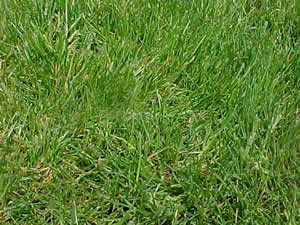
Growth: RHYMATOZOSE or CESPITOSE
Treatment: LOW
Cutting Height: 25-65 mm
Among the microthermal species, it is the one that tolerates shade best, its leaves are very thin.
It forms a very dense lawn. When cut low, the quality of the turf is high, with a medium to dark green color.
Species that adapts very well to cold, humid climates, but does not tolerate very high temperatures.
General Features
Fine leaf blade and medium speed of establishment.
It grows very well in shaded areas and also in dry ones.
Difficulty in recovery.
Cultivation Practices
It does not require much irrigation and requires low nitrogen fertilization.
| possible exposure | temp. min GREEN | minimum vital temp. | max operating temp. | environmental climate adaptability | |||||||||||
|---|---|---|---|---|---|---|---|---|---|---|---|---|---|---|---|
| N | S | OR | AND | NE | NO | IF | SO | °C | °C | °C | plains | mountain | maritime | rural | urban |
| X | X | X | X | X | X | X | X | -10 | -20 | 30 | X | X | X | X | X |
Poa Pratensis
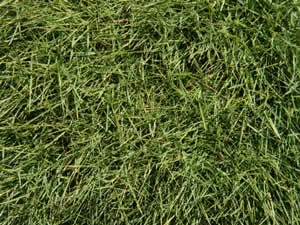
Growth: RHIZOMATOSE
Treatment: MEDIUM
Cutting Height: 25-50 mm
It is used for its medium texture, its generally dark color and its lateral growth.
It is quite demanding on water, but in case of water shortage it goes into dormancy and recovers when conditions become favorable again.
It is a widespread species throughout the world and is characterized by exceptional rhizomes production. Its lawns are of excellent quality; it prefers sunny areas.
General Features
Slow establishment but with excellent recovery potential.
It prefers sunny but well-watered areas. It has good traffic tolerance.
Cultivation Practices
It requires irrigation and fertilization with a medium nitrogen content.
It tends to form felt.
| possible exposure | temp. min GREEN | minimum vital temp. | max operating temp. | environmental climate adaptability | |||||||||||
|---|---|---|---|---|---|---|---|---|---|---|---|---|---|---|---|
| N | S | OR | AND | NE | NO | IF | SO | °C | °C | °C | plains | mountain | maritime | rural | urban |
| X | X | X | X | X | X | X | -10 | -20 | 35 | X | X | X | X | X | |
Poa Trivalis
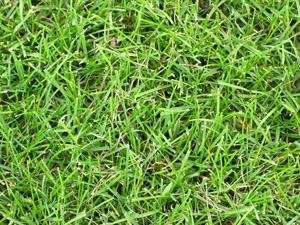
Growth: Slightly STOLONIFEROUS
Care: MEDIUM LOW
Cutting Height: 20-40 mm
General Features
Rapid establishment and medium recovery potential.
It prefers shaded and humid areas.
It is very sensitive to drought.
Cultivation Practices
It requires irrigation and fertilization with a medium nitrogen content.
It tends to form felt.
Perennial Lolium
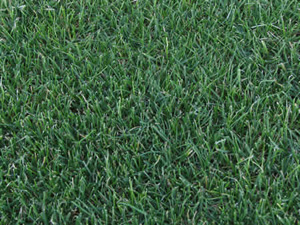
Growth: CUSHY
Treatment: MEDIUM
Cutting Height: 25-50 mm
General Features
Rapid establishment but with poor recovery capacity and good resistance to trampling.
It does not tolerate drought and is often used in mixtures.
Cultivation Practices
Needs irrigation and medium/high nitrogen fertilization.
Stolonifera Agrostis
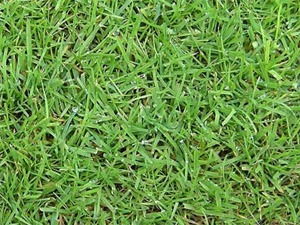
Growth: STOLONIFEROUS
Treatment: HIGH
Cutting Height: 4-20mm
It is the most valuable species among grasses for lawns.
It forms a very compact carpet, resistant to trampling, disease and long-lasting.
Due to these characteristics, it is used in its pure form in the creation of golf course greens.
To fully express its characteristics it requires loose and well-levelled soil that allows for very low cuts, preferably made with lawnmowers equipped with helical blades.
General Features
Slow establishment speed; forms a very high quality carpet with good resistance to trampling.
It resists low temperatures and tolerates water stagnation.
Cultivation Practices
It requires considerable irrigation and requires fertilisers with a high nitrogen content.
It tends to form felt and is susceptible to fungal diseases.
Festuca Arundinacea
Macrothermal
Warm-to-warm climates are species suited to warm or temperate climates.
The optimum growth temperature is between 25 and 35 °C.
These species slow down their growth at temperatures below 20°C until they stop at around 10°C.
When the temperature drops below 0°C they lose their green colour and go into vegetative rest.
The most widespread macrothermal species are: Cynodon dactlylon, Paspalum vaginatum, Stenotaphrum secundatum and Zoysias.
They are characterized by notable lateral growth through stolons and rhizomes, a very extensive root system, high recovery capacity following stress, exceptional resistance to high temperatures, drought and salinity.
Cynodon Dactylon
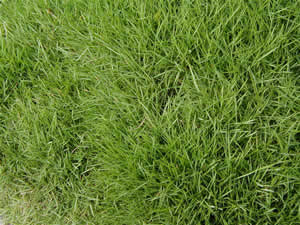
Growth: RIMATOZOSE or STOLONIFEROUS
Treatment: MEDIUM HIGH
Cutting Height: 5-40mm
It is the fastest growing lateral species. The leaves are medium in width. They form a rather robust carpet. They are highly resistant to high temperatures, drought, and salinity.
It does not tolerate shade and, like other macrothermal species, stops growing at temperatures of 10°C.
When the temperature drops below 0°C it goes into dormancy and loses its green color.
General Features
Hybrids of Cynodon Dactylon comm. (Bermudagrass) are often used.
Excellent speed of establishment via vegetative growth and excellent recovery capacity.
It resists high temperatures, drought and salinity very well.
Cultivation Practices
It does not require large volumes of water.
Nitrogen requirements vary depending on the variety (between 15 and 75 kg N/ha per month of growth) and the need for thatch control.
| possible exposure | temp. min GREEN | minimum vital temp. | max operating temp. | environmental climate adaptability | |||||||||||
|---|---|---|---|---|---|---|---|---|---|---|---|---|---|---|---|
| N | S | OR | AND | NE | NO | IF | SO | °C | °C | °C | plains | mountain | maritime | rural | urban |
| X | X | X | X | X | X | X | 0 | -10 | 45 | X | X | X | X | ||
Paspalum Vaginatum
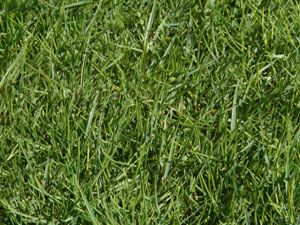
Growth: RIMATOZOSE or STOLINEFERA
Treatment: MEDIUM
Cutting Height: 6-25mm
It is a species native to the subtropical areas of eastern South America. It has become naturalized in coastal areas of all continents.
The color is deep green. Paspalum vaginatum is the most salinity-resistant of the turfgrass species, so much so that it can be irrigated with seawater.
Tolerance to high temperatures and drought is also very high.
General Features
Excellent speed of settlement.
It is the species that adapts best to saline soils.
It forms a very dense turf.
Cultivation Practices
Need for medium/high nitrogen fertilization.
Control of felt formation is necessary.
To allow the lawn to develop uniformly, it is advisable to irrigate.
| possible exposure | temp. min GREEN | minimum vital temp. | max operating temp. | environmental climate adaptability | |||||||||||
|---|---|---|---|---|---|---|---|---|---|---|---|---|---|---|---|
| N | S | OR | AND | NE | NO | IF | SO | °C | °C | °C | plains | mountain | maritime | rural | urban |
| X | X | X | X | X | X | X | 0 | -10 | 45 | X | XXX | X | X | ||
Stenotaphrum Secundatum
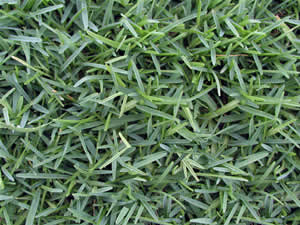
Growth: STOLONIFEROUS
Care: MEDIUM LOW
Cutting Height: 40-65 mm
This species is native to Central America. It has very broad, light green leaves. Growth is vigorous due to the presence of large, robust stolons.
Among the warm-season plants, it is the most shade-tolerant. It has good resistance to salinity, drought, and high temperatures. It adapts well to Mediterranean climate conditions.
General Features
Coarse leaf blade and rapid establishment.
Good drought resistance. It forms a poor-quality turf.
Cultivation Practices
It requires medium-high nitrogen fertilization.
It requires control over felt formation and does not require large volumes of water.
| possible exposure | temp. min GREEN | minimum vital temp. | max operating temp. | environmental climate adaptability | |||||||||||
|---|---|---|---|---|---|---|---|---|---|---|---|---|---|---|---|
| N | S | OR | AND | NE | NO | IF | SO | °C | °C | °C | plains | mountain | maritime | rural | urban |
| X | X | X | X | X | X | X | -2 | -10 | 45 | X | X | X | X | ||
Zoysia Japonica
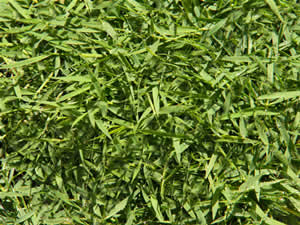
Growth: STOLONIFEROUS or RIMATOZOUS
Treatment: MEDIUM
Cutting Height: 10-25mm
It is a species of Asian origin and forms a good quality lawn, with medium leaf width and a rather light green colour.
It produces very robust stolons and rhizomes. It has good resistance to high temperatures. It enters winter dormancy, losing its green color, when temperatures drop below -2/-3°C.
General Features
It is used in its Japonica, Martella and Termifolia species.
It is slow to establish, especially if seeded.
It is resistant to drought and high temperatures; it does not tolerate water stagnation.
It has good recovery potential.
Cultivation Practices
It requires medium-high nitrogen fertilization and interventions to control thatch are necessary.
The very hard leaf blades can sometimes damage the blades of cutting machines.
| possible exposure | temp. min GREEN | minimum vital temp. | max operating temp. | environmental climate adaptability | |||||||||||
|---|---|---|---|---|---|---|---|---|---|---|---|---|---|---|---|
| N | S | OR | AND | NE | NO | IF | SO | °C | °C | °C | plains | mountain | maritime | rural | urban |
| X | X | X | X | X | X | X | -2 | -10 | 40 | X | X | X | X | ||
Zoysia Matrella
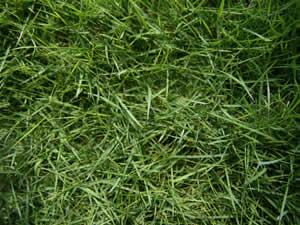
Growth: STOLONIFEROUS or RIMATOZOUS
Treatment: MEDIUM
Cutting Height: 10-25mm
It is a very common species in the East. Its turf is characterized by fine leaves and high density.
Its resistance to salinity is very high. If left uncut, it tends to form a thick, very resistant blanket with thermal and acoustic insulation properties.
Growth stops at around 9°C. When the temperature drops below -2°C it loses its green color.
| possible exposure | temp. min GREEN | minimum vital temp. | max operating temp. | environmental climate adaptability | |||||||||||
|---|---|---|---|---|---|---|---|---|---|---|---|---|---|---|---|
| N | S | OR | AND | NE | NO | IF | SO | °C | °C | °C | plains | mountain | maritime | rural | urban |
| X | X | X | X | X | X | X | -2 | -10 | 40 | X | X | X | X | ||
Zoysia Tenuifolia
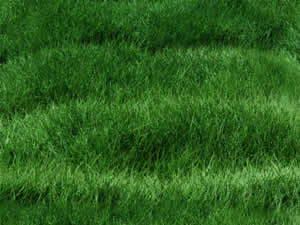
Growth: STOLONIFEROUS or RIMATOZOUS
Treatment: MEDIUM
Cutting Height: 10-25mm
It is characterized by very fine leaves and high density. The growth of its stolons and rhizomes is very slow. It requires minimal pruning, and if left to grow freely, it forms a very dense canopy.
It is the last macrothermal species to lose its green color when temperatures drop below zero.
| possible exposure | temp. min GREEN | minimum vital temp. | max operating temp. | environmental climate adaptability | |||||||||||
|---|---|---|---|---|---|---|---|---|---|---|---|---|---|---|---|
| N | S | OR | AND | NE | NO | IF | SO | °C | °C | °C | plains | mountain | maritime | rural | urban |
| X | X | X | X | X | X | X | -2 | -10 | 40 | X | X | X | X | ||