
WINTER DAMAGES
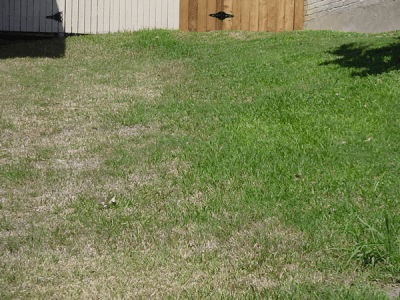
IF IT HAS SNOWFALLEN, WHEN THE SNOW MELT, THE LAWN LOOKS UNEVEN AND STRAW-YELLOW IN COLOR. LET'S SEE WHAT CAUSES THIS EFFECT.The English lawn is made up of plants that struggle to grow in a harsh winter climate.
Winter can damage your lawn in the following ways:
- Freezing temperatures can freeze turf
- Cold, dry winds can dehydrate the plant
- The ice tears away the plant tissue of the lawn
- Winter temperature fluctuations, with periods of very mild temperatures followed by periods of very cold temperatures, can disrupt the dormancy of lawn grass.
- Snow diseases such as snow mold attack lawn grass even if it is not physically covered by snow.
- Especially in winter, some rodents dig and eat English lawns, leaving tracks and mounds.
- If salt or sand is thrown on the road and some of it comes into contact with the lawn, it can seriously damage it.
HOW TO PREVENT AND TREAT WINTER DAMAGE
Here are some tips to reduce the severity of winter damage:
- Do not remove snow from your lawn as it insulates it from the cold and dry winds.
- Overseed frost-damaged areas with particularly cold-resistant seed mixes.
- When winter arrives, make sure the lawn is mowed to 5 centimeters. Diseases and rodents are attracted to tall lawns.
- Aerating your lawn in the fall helps with water drainage. When water stagnates on the lawn, it freezes and forms ice.
- Maintain your lawn regularly. Fall fertilization provides the grass with the nutrients it needs during the winter months and helps make your lawn resilient to changing weather conditions.